Shredding sensitive documents isn’t just something that’s important in business or your career; it’s also critical at home. Family identity theft is becoming more common as thieves rifle through rubbish looking for unshredded bank statements and other information that they could use to build a profile of you. Fortunately, identity theft prevention is possible through proper document disposal. If you get into the habit of shredding, it becomes far more challenging for thieves to piece together your personal information and use it against you. Remember, there’s a rising threat of identity theft across the Western world. Statistics on personal data breaches continue to get worse so adopting practices for personal data protection is essential.
While there are multiple ways to protect your identity at home, shredding your paperwork is perhaps the most effective. If you receive sensitive documents in the post, then destroying them before dumping them in the bin maintains your privacy. It also means you are adopting secure disposal practices for peace of mind and compliance.
In this guide, we explore:
- Which documents you should be shredding
- Which you should be maintaining
- How to destroy sensitive electronic data
- Why it might be a good idea to use a professional document shredding service
Household shredding checklist
The first thing you want to know is what to actually shred in your household. For this, use your common sense, but be aware that thieves are becoming more intelligent. They’re able to triangulate data and put different pieces of information together about you to build a full profile.
At a minimum you want to shred:
- Receipts with personal details
- Any documents containing PINs or passwords
- Any documents containing company or utility account information
- Old tax returns and tax demands
- Credit card statements and offers
- Bank statements
- Bills from utility providers
- Records relating to medical treatment
- Correspondence between you and courts
- Correspondence containing any personal information shared with third parties
When you look at this list of shreddable items, it becomes clear why they need to be shredded. For example, if somebody gets hold of a bank statement, they suddenly have information about your account number, sort code, transaction history, and the amount of money in your bank. In some cases, they then call up your bank and do things in your name without your permission, such as transferring funds.
The same is true for bills from your utility providers. Again, criminals can use information on these to hack into your accounts with these companies and perhaps create havoc. That’s why household shredding is so essential.
Even court documents should be shredded after they are no longer needed. This is because criminals can leverage the information they contain for blackmail. If there is data that you don’t want anybody else to see, but a criminal finds out, they may be tempted to use it against you to extort a payment.
If you’re not sure where your documents are in your home, we suggest scanning common areas like filing cabinets, piles of junk mail in your porch, and desk drawers. Look through these for sensitive documents that could reveal information that criminals could use against you.
What to shred and what to retain
Sometimes you have to keep documents for a minimum length of time to comply with the law, especially tax records. Therefore, we suggest you list all of the exceptions that you won’t shred.
These include:
- Birth certificates
- Marriage certificates
- Warranties for products you’ve bought
- Insurance policies
- Statements for retirement funds
- Wills
- Contracts
- Legal documents
- Financial records
If you aren’t sure which documents to keep, check with the authorities. They will tell you how long you need to maintain specific records according to the law. For example, you may need to keep your tax records for up to five years depending on what type of business entity you run. If the authorities are unwilling to tell you, then ask the relevant professional service, like your accountant or your lawyer. They should also have information on how long to maintain records.
If you’re still not sure how long to keep a specific type of document, consult with AI. It will tell you what it thinks is the right duration to hold them and link out to official information.
When storing these documents, don’t keep them out in the open. Instead, use locked filing cabinets or safety security boxes.
If you’re worried about security, consider digital scanning. Uploading key information to the cloud provides you with a backup you can use in an emergency.
Fortunately, you can shred most other documents after they’ve reached the end of their useful lives. For example, you don’t need bank statements from five years ago in most cases.
Furthermore, it is often safer to shred this paperwork. If you need a backup, most banks now offer electronic records of your spending habits going back many years, so you can always review online if needed.
We suggest getting into the habit of shredding immediately after using sensitive documents. Instilling these practices in yourself and children can make collective data protection more comprehensive in your home, preventing anyone from stealing your information.
Handling electronic data
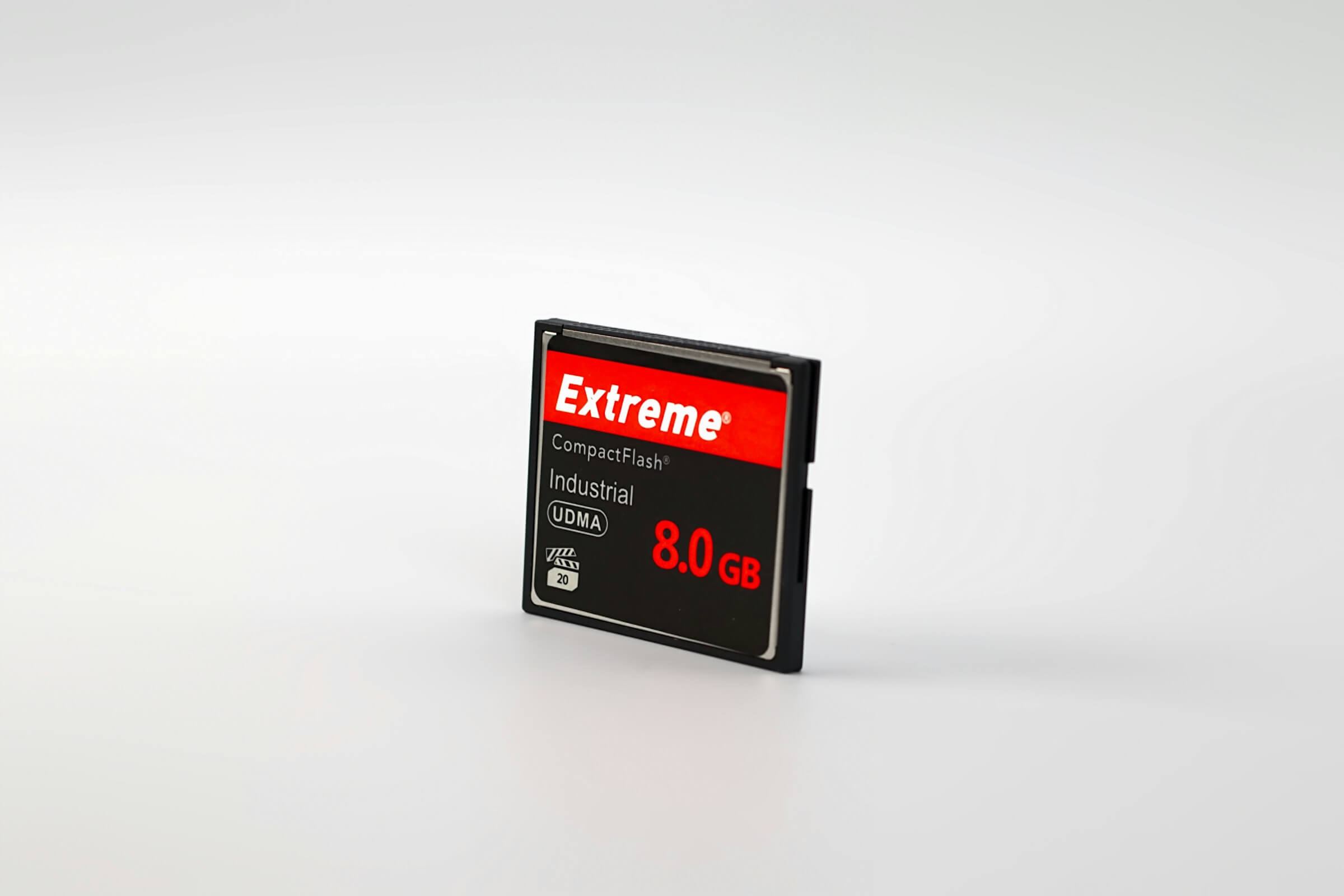
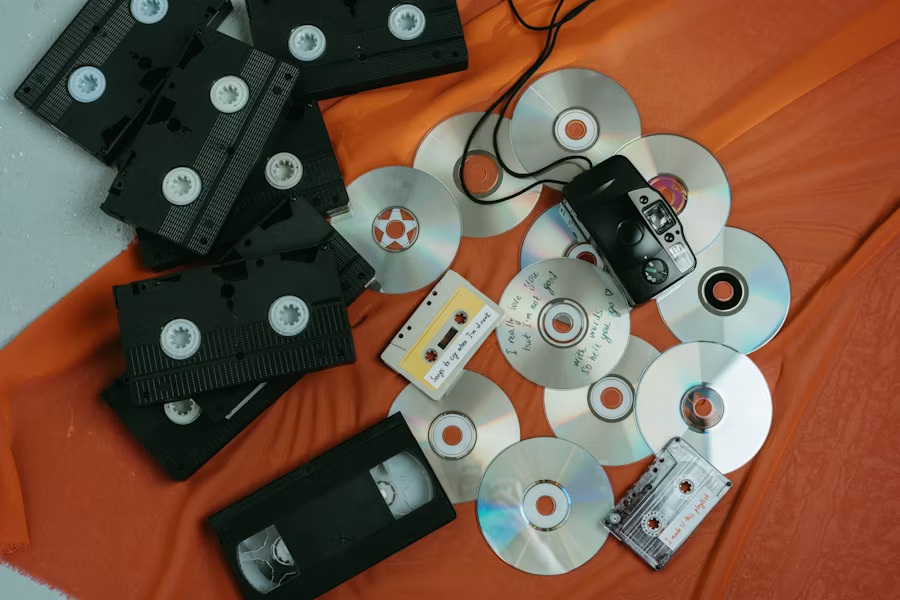
The handling of electronic data is, of course, slightly different. While most of your records will be on paper, some of them could also be on CDs, hard drives, USBs, and smartphones. These are also repositories for sensitive information that fraudsters might recover if you don’t dispose of them properly.
You can’t shred electronic data storage mediums, however you can use highly effective disposal methods to prevent third parties from ever obtaining your information.
The best way to protect yourself is to erase and overwrite all existing files on storage devices before disposing of them, and then overwriting them. When you simply delete files, most storage systems don’t fully delete all of the information. That’s why it’s possible for forensic teams to recover data from damaged hard drives. Often it’s only small segments of the information or physical apparatus that have been harmed.
However, when you totally overwrite files you replace all of the previous zeros and ones on the physical disk. This process makes it almost impossible to recover the original information.
If you’re not keen on that, then physical destruction is the next best option. Drilling, smashing, and breaking digital storage devices into pieces is also highly effective in denying anyone access in the future
In places like the UK, there are plenty of e-waste recycling services that will do much of this work for you. These provide a combination of storage medium destruction and data removal while adhering to environmental regulations. You may find this option more convenient than simply trying to perform these tasks yourself.
Overall, safe disposal of electronic data aligns nicely with paper shredding. Treating digital and physical media similarly for personal data protection allows you to protect yourself even more. Don’t put any electronic devices in the bin without wiping them first and overwriting the existing data. If you need a tool to do this, then there are plenty of software options available.
Popular free options include:
- DBAN
- Eraser
- Discwipe
- System Rescue
- RescueZilla
You can also get professional-grade solutions like Kill Disk and BitRazor. We have advanced tools for data wiping and reporting.
Leverage professional shredding services
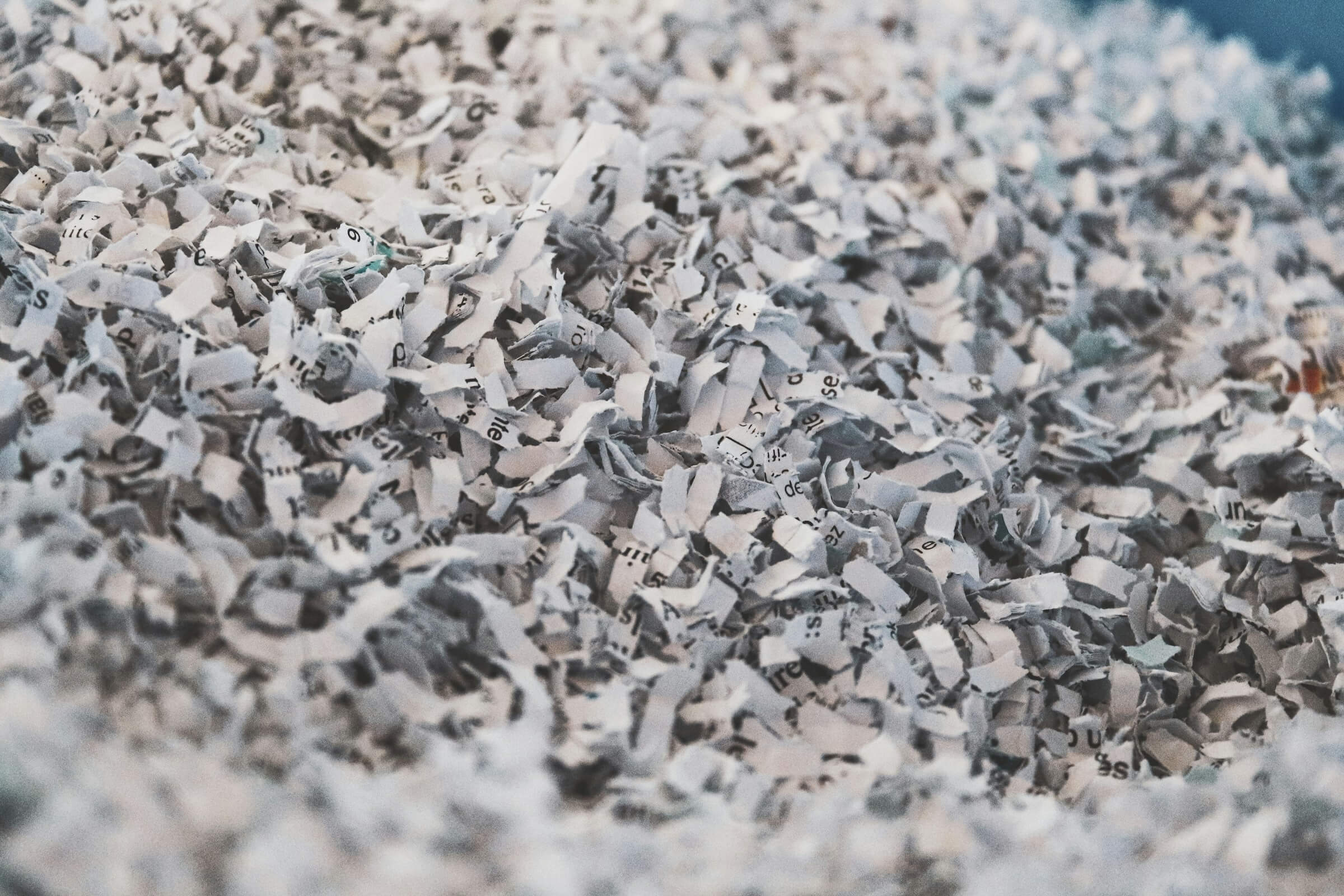
As you might expect, most homeowners and families don’t stay on top of their document destruction responsibilities. Consequently, large volumes build up over time. Many families have entire archives in spare rooms, attics, and basements collecting dust.
Shredding all of this paperwork by yourself is a time-consuming experience, though. It could take you several weekends or longer depending on how much material you need to shred. This is why so many people now use certified destruction companies for large volumes. Firms like ours can shred all of your sensitive paperwork in a short space of time and give you peace of mind.
Professional shredding services give you several options. The most common is on-site shredding. This is where you take your documentation and paperwork to a central location and get it shredded for you.
Another option is secure collection. This is when a courier picks up the paperwork destined for destruction from your home and delivers it to the shredder. Brands offering this service then shred your paperwork according to local data protection laws, again, removing the risk.
If you’ve ever attempted to shred items at home using a household shredder, you’ll know that it can sometimes run out of juice. Many shredders literally overheat when dealing with bulk documentation or thick folders and files and the process can be slow. This is not the case with professional systems, which often have far higher capacity and energy and motor ratings enabling them to shred documentation more reliably.
Finally, shredding is an affordable option for people living in major cities. Services are highly accessible, even for those on low incomes.